
LVP vs Engineered Hardwood: What is the Difference?
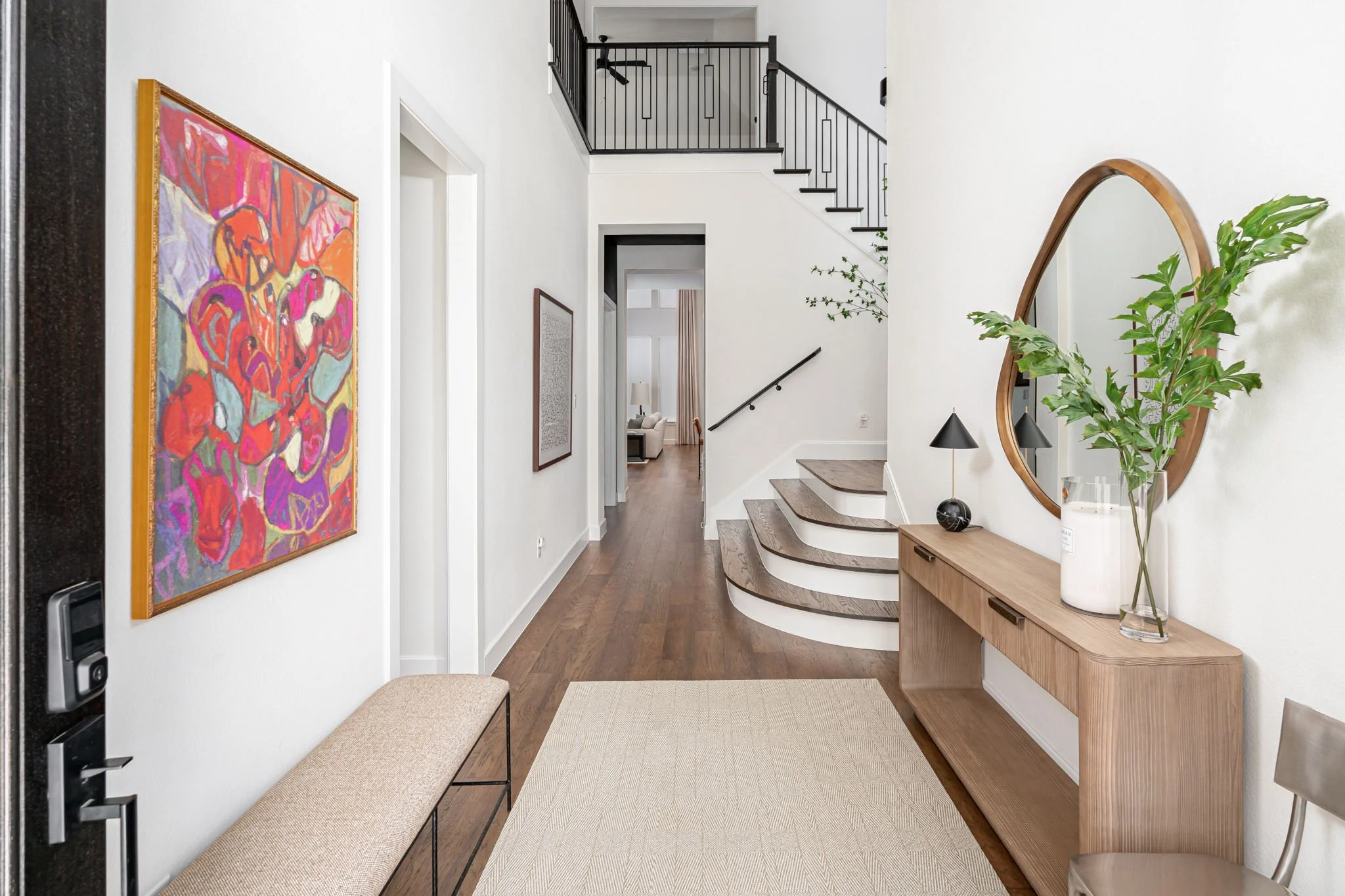
The primary difference in the LVP vs engineered hardwood decision comes down to material composition and overall water resistance. Luxury vinyl plank is a synthetic, completely waterproof flooring option designed for maximum durability and ease of maintenance. Engineered wood flooring, conversely, is constructed from a real hardwood veneer bonded to a stable plywood core, offering the authentic beauty and texture of natural wood. Choosing the right material requires matching these distinct physical properties with your family's daily lifestyle, your budget, and the long-term value of your property.
For homeowners in Frisco and the surrounding North Texas area, updating the floors is one of the most transformative investments you can make during a renovation. The flooring serves as the visual foundation for your entire house. If the floors feel disjointed or dated, even the most beautiful furniture will fail to elevate the room. At Brooke Bundy Designs, we understand that selecting new floors can feel overwhelming given the sheer volume of options on the market. We guide our clients through the nuanced differences between these materials in a practical way. We want you to feel completely confident that your flooring selection will look stunning and perform beautifully for decades to come.
Why Engineered Wood Flooring is a Timeless Investment
If you want a surface that brings undeniable warmth and organic beauty to your interiors, engineered wood flooring is the definitive choice. Unlike solid hardwood, which is cut from a single piece of timber, engineered wood is manufactured with a multi-ply core. This specific construction makes it highly resistant to the expansion and contraction caused by humidity changes. Because most houses in North Texas are built directly on concrete slabs, engineered wood is widely considered the safest and most stable way to bring real hardwood into your home.
The aesthetic appeal of genuine wood is unmatched. Because the top layer is actual timber, you get the authentic grain patterns, knots, and textures of oak, walnut, or hickory. This organic variation is exactly what makes wood floors so highly coveted in elevated interior design. When we help our clients select a wood species and stain, the process is deeply intentional. We look for warm, custom finishes that ground the space and pair beautifully with your cabinetry and paint selections.
However, because it is a natural material, engineered hardwood requires a level of care. It is not waterproof, meaning major spills or plumbing leaks can cause permanent warping if not addressed immediately. It can also scratch under the weight of heavy furniture or the claws of large pets, though many homeowners feel that these subtle signs of wear simply add character and history to the home over time.
The Incredible Durability of Luxury Vinyl Plank
If your household requires a surface that can withstand heavy traffic and constant activity without showing wear, luxury vinyl plank is an exceptional alternative. Over the last decade, the technology behind synthetic flooring has improved drastically. High-quality LVP now features incredibly realistic, high-definition photographic layers that closely mimic the look of natural wood grain, complete with textured embossing that actually feels like timber underfoot.
The greatest benefit of luxury vinyl plank is its status as a completely waterproof flooring solution. Because it is made entirely from synthetic materials, it will never absorb moisture, warp, or buckle when exposed to water. This makes it an ideal alternative to wood for homes at a higher risk of flooding.
For busy families with young children or large dogs, LVP provides unmatched peace of mind. The thick, clear wear layer on top of high quality LVP planks is highly resistant to scratching, denting, and fading. You never have to panic over a spilled cup of water or muddy paws tracking through the hallway. It allows you to maintain a beautifully styled home while fully embracing the messy reality of daily life.
Installation: Floating Floor vs. Glue-Down LVP
When making your final flooring selection, it is also important to understand how the product will actually be installed in your home. The installation method directly impacts the overall cost, the acoustic feel of the room, and how the floor performs over time.
A floating floor is an installation method where the planks click and lock together seamlessly without being permanently adhered to the subfloor below. This method is incredibly popular for LVP because it is fast, efficient, and typically includes a built-in acoustic underlayment that softens the sound of footsteps.
Alternatively, glue-down LVP is installed by spreading a strong adhesive directly onto the concrete slab and pressing each individual plank into place. While this method requires a perfectly smooth, heavily prepped subfloor and takes more time to install, many homeowners prefer it because it feels incredibly solid underfoot. Unlike a floating floor, which can sometimes have a hollow sound when walked upon, a glue-down application feels firmly anchored to the foundation. We always discuss these installation nuances with our clients to ensure the result looks and feels exactly as expected.
Frequently Asked Questions About Flooring Selection
To keep your project moving smoothly, we prioritize clear expectations from day one. Here are the core details you need to know about navigating your new flooring investment.
Which is the best flooring for Texas homes regarding resale value?
If your primary goal is maximizing your long-term property value, engineered wood flooring is generally the best investment. Real hardwood is highly prized by prospective buyers and instantly signals a premium, custom build. However, high-quality LVP has gained massive popularity and acceptance in the luxury market due to its durability. If you plan to live in the home for many years and need a life-proof surface, the personal value of LVP often outweighs the slightly higher resale premium of real wood.
Can I mix different flooring types in my home?
Yes. We recommend using one cohesive material, whether it is engineered wood or luxury vinyl plank, in the main living areas to create a seamless flow and make every room feel larger and more connected. Then for bathrooms, laundry and mudrooms, we like to use a different flooring material to give the home a more custom look.
How much does professional design cost?
Because every home is uniquely tailored to the family's needs, the required investment is based on your specific square footage and the scope of work. Following our initial consultation, we provide a customized flat fee starting at our $3,000 minimum.
Ensuring Your Home's Beauty & Functionality
A successful renovation is about much more than choosing a pretty finish. It is about making sure the materials actually work for your life and function effortlessly for your family. Leaving the execution to chance or rushing into a major flooring purchase without a comprehensive plan often results in a space that feels unfinished or disconnected. By bringing in an expert design team, you ensure that every single decision is made intentionally to create a cohesive, enduring vision.
We want you to experience the true relief of walking into a beautifully styled, completely customized home without having carried the logistical stress on your own shoulders. If you are ready to gain absolute clarity on your upcoming project, click here to schedule your Project Discovery Call. During this 15-minute virtual meeting, we will discuss your project scope and confirm if our flat-fee process is the right fit for your goals.